
New to the NICU? Start Here
If your baby has just been admitted to the NICU, you probably have hundreds of questions and aren’t sure where to begin. I’ve been there.
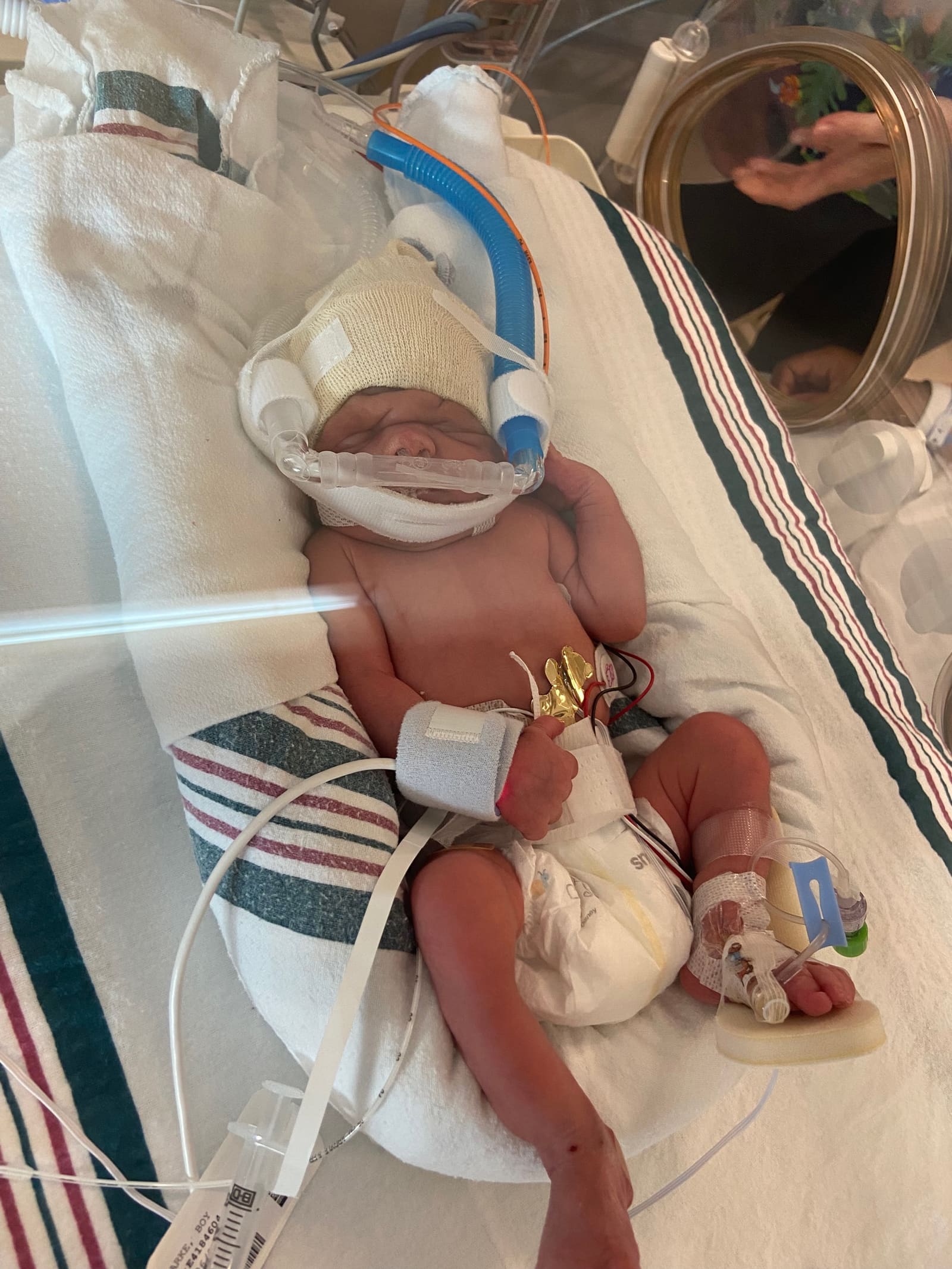
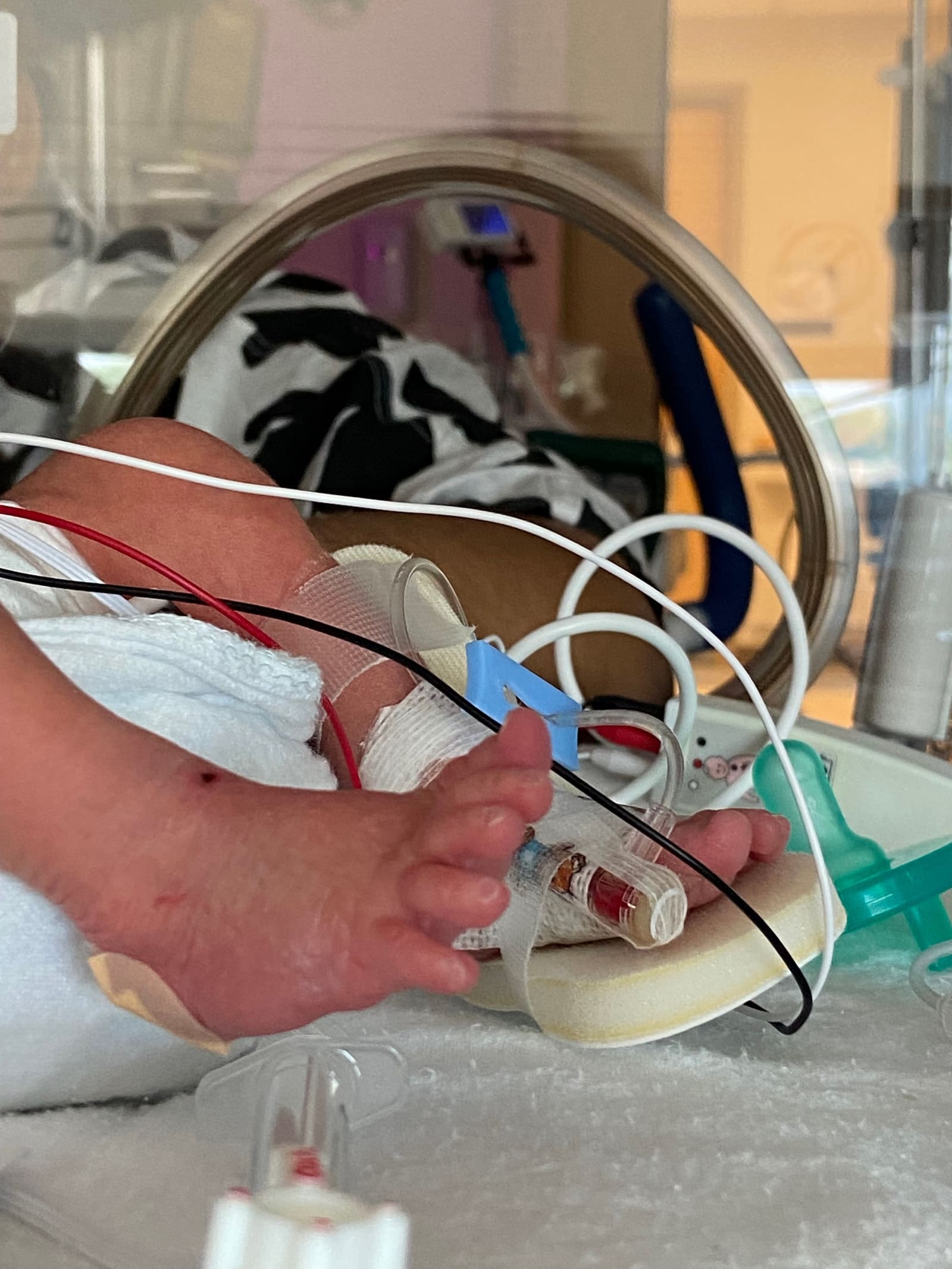
When our son arrived early, my wife and I faced a nearly month-long NICU stay we never anticipated.
Here are five things I would encourage every new NICU parent to do:
-
Ask Questions. Your baby’s care team can explain the equipment, procedures, and daily routine.
-
Find out how you can participate in your baby’s care. Depending on your baby’s condition, you may be able to help with diaper changes, feedings, holding, or skin-to-skin care.
-
Learn what support your hospital offers. Ask about family resource centers, parking assistance, lodging, meals, and counseling.
-
Take care of yourself. Eat, sleep, and accept help when you need it.
-
Start preparing for discharge early. Ask about follow-up appointments, screenings, car seat requirements, and support services.
You don’t need to figure out everything on day one. Take things one step at a time, and don’t hesitate to lean on the medical team.
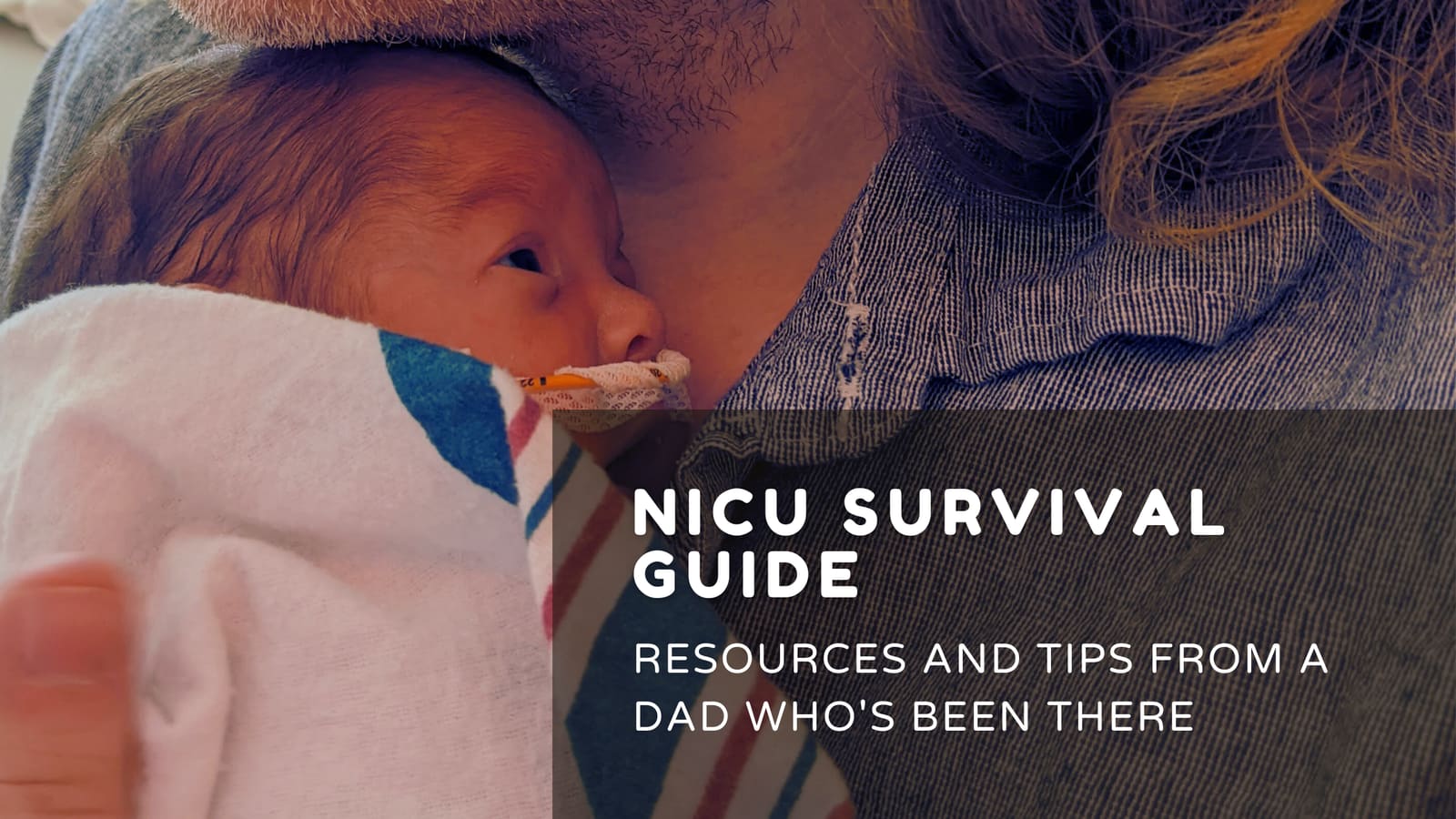
When my wife was admitted to the hospital at just over 32 weeks gestational and told that we would not be leaving the hospital without a baby, we were completely blindsided. Never did I anticipate that a nearly month-long NICU stay would be a part of our birth story. With 1 in 10 births in the United States being preterm, many parents find themselves in a similar situation to us. The NICU experience is incredibly overwhelming to say the least, and it is normal to feel completely lost. There is a lot to do and a lot to know, but you’re not even sure where to begin. Hopefully, this NICU Survival Guide will be a good starting point for you.
Free download: NICU Survival Guide PDF — also on our Resources page.
Table of Contents
- Bonding with Your Baby in the NICU
- Navigating the NICU Hospital Life
- Caring for Yourself During a NICU Stay
- A Few Words for NICU Dads
- Preparing for NICU Discharge
- Support Organizations and Helpful Resources
- Final Thoughts
Bonding with Your Baby in the NICU
Bonding in the NICU can look different from what you imagined, but it still matters deeply. For more ideas beyond this guide, see my post on dad-baby bonding.
Bond with a private room
Many hospitals have private NICU rooms, but they may be in limited supply. Ensure your care team is aware that you’d like a private room. A private room can be hugely helpful as you seek to bond with your baby. If you’re breastfeeding or pumping, a private room will make the process a lot less stressful. Plus, you’ll help your baby and yourself get some peace and quiet from their crying neighbors.
Share your desire to care for your baby
The nursing staff wants to help facilitate your bond with your baby, but they may not proactively suggest ways you can bond. Make sure to let your nursing staff know when you want to hold your baby, enjoy skin-to-skin cuddles, bathe your baby, or change your baby’s diapers. If you feel nervous about caring for your little one, our nurses are ready to offer helpful tips and advice.
Support your baby’s brain with reading
Depending on the type of care your baby is receiving, you might not be able to snuggle the little one as often as you’d like. But one thing you can do, even as you gaze at your baby through the isolette, is read to your baby.
Studies show that reading to your preterm baby can offer many benefits. Research shows that during parent-infant bonding, oxytocin (commonly known as the “love hormone”) is released in both the baby and the parent.
Reading to your baby can also be incredibly important for brain development, and doctors recommend it. Brain bleeds in preterm births are fairly common, so anything that can help support neurodevelopmental outcomes is important.
NICU days are long, so pick up one of your favorite long-form children’s books to pass the time. We chose to read The Chronicles of Narnia to our little one in the NICU and made it through the first three books!
Drown out the noise with calming music
Beeping and ringing is coming from every direction. Create a soothing environment for you and your baby by bringing a Bluetooth speaker to the hospital. You can introduce your baby to your favorite artists, play calming nature sounds, or even crank up white noise all day to combat the stressful hospital noises. Always check with hospital staff that this is permitted. Every hospital is different, and depending on your baby’s needs and level of care, this may or may not be appropriate.
View your baby from a distance
When you have to be away from the NICU, getting eyes on your baby can provide peace of mind. Check to see if your hospital offers access to a digital camera feed of your baby. Our hospital made sure that the camera was on 24/7, except when the baby was naked during diaper changes or had to have a complex procedure. We were even able to share the link with our family so they could peek in on the baby as well.
Navigating the NICU Hospital Life
Understand visiting hours
Get as much information as you can on visiting hours. At our NICU, visitors were welcome to stay all day and all night. The only caveat was that you couldn’t come in during the shift change from 7:00 to 7:30 each morning and evening. If you were in the room during shift change, however, they would not kick you out. Make sure you have this information early on so you know when you can and can’t see your baby. Also, don’t worry about going to see your little one whenever you feel you need to. There were times we went to be with our little guy in the middle of the night when worry kept us from sleeping.
Stay close with the Ronald McDonald House or hotel discounts
If your hospital is far from home, check to see if you’re eligible to stay at the Ronald McDonald House. This charity offers significantly discounted lodging for families whose children are undergoing medical procedures. If you don’t qualify, check with your hospital to see if they offer discounts to local hotels.
Nourish yourself with discounted foods
When your baby is in the NICU, the last thing you want to think about is feeding yourself. Many hospitals have cafeterias and often offer discounts to NICU families. My hospital, in particular, offered three free meals a day for breastfeeding mothers. Check with your hospital about food options before shelling out money each day.
Save money with validated parking
Frequent visits to the NICU can quickly add up in terms of parking fees. I spoke with a NICU mom who spent hundreds on parking before discovering that validation was available. Please check with your care team to see if parking can be validated or discounted.
Find help at a family resource center
The hospital we were at had a lovely area for family members of children staying in the hospital. Many children’s hospitals have something similar. There are numerous services that the resource center offers, including internet access, free coffee, hotel/gas vouchers, television and video game consoles, free lunches a few times a week, assistance with connecting with chaplain or social services, education, and sales of safety products such as car seats and bike helmets, and many other services.
Cope with counseling services, chaplains, and social workers
Having a baby in the NICU takes a significant toll on you emotionally, mentally, and spiritually. Hospitals have no shortage of people on staff to assist in these areas. They employ chaplains from many different faith traditions to talk and pray with you. They also have counselors and mental health professionals to help with postpartum issues and dealing with having a NICU stay. If you are also processing a difficult or unexpected birth experience, I wrote more about that in coping with birth trauma. For help outside of the hospital, many non-profits offer support services, such as peer-to-peer mentoring, parent support groups, and even FREE counseling. Hand to Hold, for example, offers free, limited counseling (8–12 sessions) to parents who have experienced a NICU stay.
Take advantage of nurses and family for much-needed self-care
Spending a lot of time in the NICU is exhausting. There is absolutely nothing wrong with doing something to feel normal for just a bit. It can be highly refreshing. Take an evening to go out for a nice meal. Leverage the nurses. After all, they are there to care for the babies. They are more than happy to take over feeding and changing the baby for you to get out for a couple of hours. It’s not just the nurses who want to help, either. Grandparents, aunts, and family members are also eager to help. Leverage family visits to take time for self-care.
Lighten the load with hospital storage
Visiting the NICU can be a huge undertaking. You may be toting around baby books, pumping gear, and snacks with you on each visit. Lighten your everyday load by checking with your care team about storing items at the hospital. We kept our own bottle of Dawn, sponges, baby clothes, and milk storage at the hospital in drawers reserved for our family. Check with your care team about where you can store your necessities.
Caring for Yourself During a NICU Stay
Build a milk stash at the hospital
Hospitals want to facilitate breastfeeding for their NICU families. The staff will help ensure that your pumped milk reaches your baby. When your baby is extremely small, they may not be able to eat enough to keep up with your supply. Check with the infant nutrition center to see if they store excess milk, and if you’re able to take it home with you when you’re discharged. We were able to take home a stash of hospital-pumped frozen milk that lasted us 3 weeks!
Keep your hands moisturized despite frequent washes
No one tells you about the trauma to your hands after scrubbing them raw during countless visits to the NICU. Our hands were so raw from frequent hand washing that it hurt when water touched our skin. Invest in a high-quality, restorative hand cream to prevent moisture loss and maintain a healthy skin barrier.
Invest in sanitizing
Your baby’s immune system is still in the works. It’s critical to avoid contaminating the NICU with pathogens (hence the emphasis on thorough hand washing). One of the dirtiest objects in our possession is our phone. Scientists at the University of Arizona have found that cell phones carry 10 times more bacteria than toilets. When you’re unable to avoid phone use, consider picking up sanitizing wipes to keep your phone as clean as possible. Be sure to keep extra hand sanitizer on hand as well. It is also a good idea to discuss best practices with hospital staff. They will be more than happy to walk you through proper hygiene procedures.
Freshen up with laundry and showers
If you want to quickly refresh your or your baby’s clothes while at the hospital, check to see if they offer laundry service. Our hospital had a Family Resource Center that allowed NICU families to utilize an on-site laundry room, and would even bring their clean clothes to their NICU room if requested! Likewise, many hospitals have showers where you can quickly wash up whenever needed.
A Few Words for NICU Dads
As a dad, one of the hardest parts of having a baby in the NICU can be feeling as if there is nothing that you can do.
You want to protect your child, support your partner, and somehow make everything and everyone better. But when your baby is admitted to the NICU, there is much that is outside of your control.
What I learned during our NICU stay is that being a good dad and supportive partner is not about having all the answers. It is about being present, asking questions, learning how to care for your baby, and advocating for your family in whatever ways you can.
You may not be able to fix what is happening, but that doesn’t mean your role is not important.
Preparing for NICU Discharge
Understand newborn screens
Newborns get a lot of tests. NICU newborns get even more. Make sure you ask your doctor about the results of your child’s newborn screens. Sometimes, specific tests or procedures, such as hearing tests or head scans, need to be delayed until a child is older. Be sure to ask your doctor about when your child can expect additional routine screenings.
Get access to your baby’s digital medical chart
Many of us are used to accessing our health information through an online portal. Be sure to ask about setting up your newborn’s digital medical chart. Having access to the chart can help you keep track of the results of numerous newborn screens and assist you in understanding upcoming or past procedures.
Monitor your baby’s progress with early intervention
Did you know you can get free occupational, speech, and physical therapy for your child? Early Intervention services are available in each state to track the progress of children at risk for developmental delays, including NICU graduates. Most hospitals will automatically refer your NICU graduate to early intervention services; however, anyone can make a referral, including parents. If you’re eligible, you’ll be paired with a case worker who can connect you to the appropriate therapists for your child. Even if you don’t have any particular concerns after leaving the hospital, early intervention services can provide much-needed peace of mind as you track your child’s developmental milestones.
Research NICU follow-up programs
Doctors want to take extra care to follow up on their NICU patients. Our area offers a NICU follow-up program that provides additional support for premature and medically complex infants after leaving the hospital. Check with your hospital or local medical providers to see if there are similar programs in your area.
Drive safely with car seat certification
If you think bringing your newborn home in a car seat for the first time will be scary, try bringing home a four-pound preemie. Our baby looked teeny tiny in his car seat, but the hospital offered car seat fittings and car seat installation certification for extra peace of mind for NICU parents.
NICU Discharge Preparation Checklist
Use this checklist as you get closer to going home:
Support Organizations and Helpful Resources
The NICU can feel isolating — but you don’t have to go through it alone. Here are some supportive communities:
- Hand to Hold — Peer support groups, counseling, and resources
- NICU Helping Hands — Counseling, an app, and parent mentoring
- The NICU Journey Bead Program — Trauma-informed healing spaces and storytelling
- March of Dimes — Advocacy, education, and NICU support resources
Final Thoughts
You’re doing better than you think.
The NICU experience is incredibly tough, and you’re navigating it with strength, love, and commitment. Whether you’re scrubbing in for the fifth time today or reading stories through the isolette, you’re showing up for your baby — and that matters more than anything.
If you want more of what I learned during our stay, I also shared five lessons from the NICU.
Was this guide helpful? If you’re a fellow NICU parent, I’d love to hear your story. Reach out through the site — we’re all in this together.
Advertisement
Advertisement